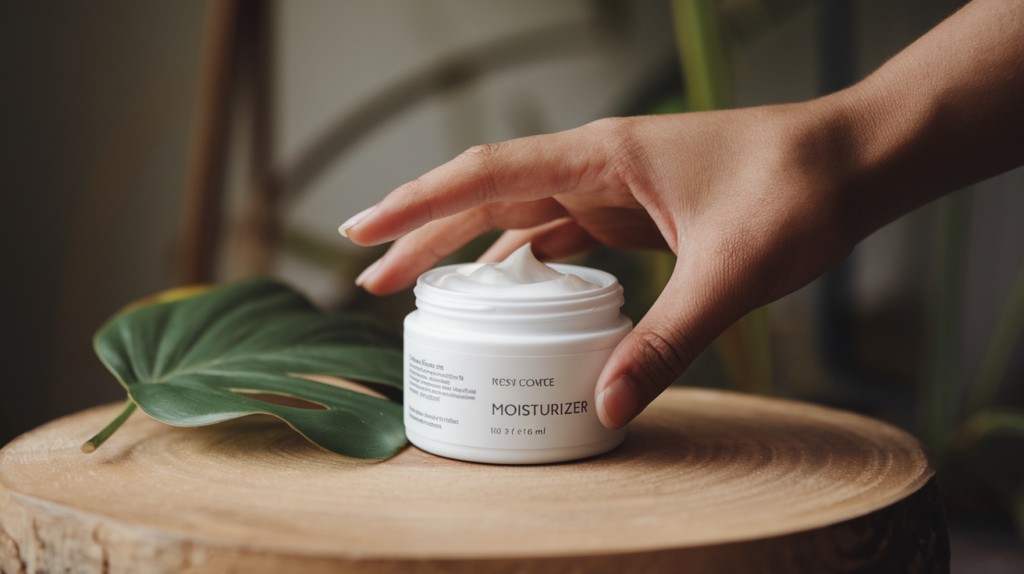
Are you tired of battling acne while trying to keep your skin hydrated? 😫 You’re not alone. Finding the perfect moisturizer for acne-prone skin can feel like searching for a needle in a haystack. But fear not! 🌟
The struggle is real: you want to nourish your skin without triggering breakouts, but it seems like every product either clogs your pores or leaves your face feeling like the Sahara Desert. It’s time to end this frustrating cycle and discover the holy grail of moisturizers that will keep your skin happy, healthy, and blemish-free.
In this blog post, we’ll dive into the world of skincare for acne-prone complexions. From understanding your unique skin needs to exploring key ingredients and top product recommendations, we’ve got you covered. Get ready to say goodbye to confused, irritated skin and hello to a glowing, balanced complexion! 🌿💧
Understanding Acne-Prone Skin
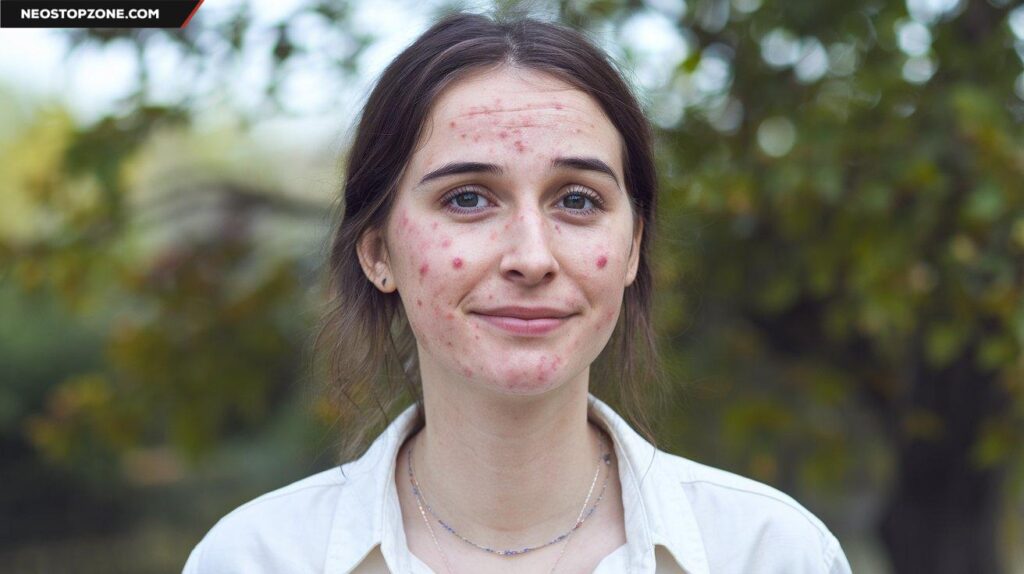
Characteristics of acne-prone skin
Acne-prone skin exhibits unique traits that set it apart from other skin types. Here are the key characteristics:
- Excess oil production
- Frequent breakouts and blemishes
- Clogged pores and blackheads
- Sensitivity and inflammation
- Uneven skin texture
| Characteristic | Description |
|---|---|
| Oiliness | Overactive sebaceous glands produce excess sebum |
| Breakouts | Regular occurrence of pimples, whiteheads, and cysts |
| Pore Issues | Enlarged and congested pores prone to blockages |
| Sensitivity | Reactive skin that’s easily irritated by products |
| Texture | Rough, bumpy surface due to acne lesions |
Common triggers for acne breakouts
Understanding the triggers for acne is crucial in managing acne-prone skin effectively:
- Hormonal fluctuations
- Stress
- Diet (high-glycemic foods, dairy)
- Certain skincare products
- Environmental factors (humidity, pollution)
Importance of proper moisturization
Contrary to popular belief, moisturizing is essential for acne-prone skin. Here’s why:
- Balances oil production
- Strengthens skin barrier
- Reduces inflammation and redness
- Improves skin texture and appearance
- Enhances effectiveness of acne treatments
Proper moisturization helps maintain skin health, preventing the overproduction of oil that often leads to more breakouts. By choosing the right moisturizer, you can effectively manage acne-prone skin while keeping it hydrated and nourished. This sets the stage for exploring the key ingredients that work best for this skin type.
Key Ingredients for Acne-Prone Skin

Salicylic acid
Salicylic acid is a powerhouse ingredient for acne-prone skin. This beta-hydroxy acid (BHA) penetrates deep into pores, effectively exfoliating and unclogging them. It helps to:
- Reduce excess oil production
- Prevent future breakouts
- Minimize the appearance of existing acne
| Concentration | Effect |
|---|---|
| 0.5% – 1% | Gentle exfoliation, suitable for daily use |
| 2% – 5% | Stronger exfoliation, best for occasional use |
Niacinamide
Niacinamide, a form of vitamin B3, is a versatile ingredient that offers multiple benefits for acne-prone skin:
- Regulates sebum production
- Strengthens the skin barrier
- Reduces inflammation and redness
- Fades post-acne marks
Hyaluronic acid
Hyaluronic acid is a hydration hero for acne-prone skin. It:
- Attracts and retains moisture
- Provides lightweight hydration without clogging pores
- Helps balance oil production
Tea tree oil
Tea tree oil is a natural antimicrobial agent that can be beneficial for acne-prone skin:
- Fights acne-causing bacteria
- Reduces inflammation
- Helps dry out active pimples
However, use it with caution as it can be irritating in high concentrations.
Ceramides
Ceramides are essential lipids that play a crucial role in maintaining skin barrier function. For acne-prone skin, they:
- Strengthen the skin barrier
- Prevent moisture loss
- Help protect against irritants and bacteria
When choosing a moisturizer, look for products that combine these key ingredients to address multiple concerns associated with acne-prone skin. Remember that everyone’s skin is unique, so it may take some experimentation to find the perfect combination for your specific needs.
Choosing the Right Moisturizer Formulation

Gel-based moisturizers
Gel-based moisturizers are an excellent choice for acne-prone skin due to their lightweight, non-greasy formula. These water-based products provide hydration without clogging pores, making them ideal for those prone to breakouts.
| Benefits | Features |
|---|---|
| Lightweight | Water-based formula |
| Non-greasy | Quick absorption |
| Hydrating | Cooling effect |
| Pore-friendly | Often contain acne-fighting ingredients |
Oil-free lotions
Oil-free lotions are another great option for acne-prone skin. These moisturizers provide essential hydration without adding excess oil to the skin’s surface.
- Contain water-based ingredients
- Avoid pore-clogging oils
- Often include acne-fighting ingredients like salicylic acid or niacinamide
- Suitable for daytime use under makeup
Non-comedogenic creams
Non-comedogenic creams are specifically formulated not to clog pores, making them suitable for acne-prone skin. These moisturizers often contain beneficial ingredients like ceramides and hyaluronic acid to improve skin barrier function and hydration.
Mattifying moisturizers
For those with oily, acne-prone skin, mattifying moisturizers can be a game-changer. These products help control excess oil production while providing necessary hydration.
| Key Features | Benefits |
|---|---|
| Oil-absorbing ingredients | Reduces shine |
| Lightweight texture | Doesn’t feel heavy on skin |
| Often contain acne-fighting ingredients | Helps prevent breakouts |
| Suitable for use under makeup | Provides a smooth base |
When selecting a moisturizer for acne-prone skin, consider your specific skin type and concerns. You may need to experiment with different formulations to find the one that works best for you. Remember, consistency is key in any skincare routine, so give your chosen moisturizer time to show results.
Top Moisturizers for Acne-Prone Skin

Best budget-friendly options
When it comes to affordable moisturizers for acne-prone skin, several options deliver excellent results without breaking the bank. Here are some top picks:
- Neutrogena Oil-Free Moisture for Sensitive Skin
- CeraVe PM Facial Moisturizing Lotion
- The Ordinary Natural Moisturizing Factors + HA
| Brand | Key Ingredients | Benefits |
|---|---|---|
| Neutrogena | Glycerin, Dimethicone | Oil-free, non-comedogenic |
| CeraVe | Niacinamide, Ceramides | Restores skin barrier |
| The Ordinary | Hyaluronic Acid, Amino Acids | Hydrates without clogging pores |
High-end moisturizers worth the splurge
For those willing to invest in premium skincare, these high-end moisturizers offer exceptional benefits for acne-prone skin:
- La Roche-Posay Effaclar Mat
- Murad Clarifying Oil-Free Water Gel
- Sunday Riley Tidal Brightening Enzyme Water Cream
These products often contain advanced formulations with potent active ingredients like salicylic acid and niacinamide, which can significantly improve acne-prone skin.
Dermatologist-recommended picks
Dermatologists often recommend the following moisturizers for acne-prone skin:
- Cetaphil Pro Oil Absorbing Moisturizer SPF 30
- EltaMD UV Clear Broad-Spectrum SPF 46
- Avène Cleanance Mat Mattifying Emulsion
These products are clinically tested and formulated to address the specific needs of acne-prone skin while providing essential hydration. They often include ingredients like zinc and ceramides to soothe inflammation and strengthen the skin barrier.
Application Tips for Maximum Effectiveness

Proper cleansing techniques
Before applying moisturizer, it’s crucial to cleanse your skin properly. Use a gentle, non-comedogenic cleanser suitable for acne-prone skin. Follow these steps:
- Wet your face with lukewarm water
- Apply a small amount of cleanser
- Massage gently in circular motions for 30-60 seconds
- Rinse thoroughly with lukewarm water
- Pat dry with a clean, soft towel
Avoid harsh scrubbing or hot water, as these can irritate acne-prone skin.
Ideal time to apply moisturizer
The best time to apply moisturizer is immediately after cleansing, while your skin is still damp. This helps lock in hydration and enhances absorption. For acne-prone skin, consider these timings:
| Time of Day | Recommendation |
|---|---|
| Morning | After cleansing, before sunscreen |
| Evening | After cleansing, as the last step |
Layering with other skincare products
When using multiple skincare products, proper layering is essential for maximum effectiveness. Follow this order:
- Cleanser
- Toner (if using)
- Treatments (e.g., salicylic acid, niacinamide)
- Moisturizer
- Sunscreen (daytime only)
Allow each product to absorb for 30-60 seconds before applying the next. For acne-prone skin, look for oil-free, non-comedogenic products in each category. Consider incorporating a face serum with ingredients like niacinamide or salicylic acid before moisturizing to target specific acne concerns.
Remember, less is often more for acne-prone skin. Start with a minimal routine and gradually introduce new products to avoid overwhelming your skin.
Customizing Your Moisturizer Routine

Adjusting for seasonal changes
As the seasons change, so do your skin’s needs. Adapting your moisturizer routine is crucial for maintaining healthy, acne-prone skin throughout the year.
| Season | Skin Needs | Recommended Moisturizer Type |
|---|---|---|
| Summer | Light hydration, oil control | Gel-based, oil-free formulas |
| Winter | Deep hydration, barrier protection | Richer creams with ceramides |
| Spring/Fall | Balanced hydration | Lightweight lotions or serums |
During humid summers, opt for lightweight, oil-free moisturizers that won’t clog pores. In contrast, winter calls for richer formulas to combat dryness without exacerbating acne.
Addressing specific skin concerns
Acne-prone skin often comes with additional concerns that require targeted care:
- For persistent breakouts: Look for moisturizers containing salicylic acid or niacinamide
- To combat hyperpigmentation: Choose products with ingredients like vitamin C or licorice extract
- For sensitive, inflamed skin: Seek out soothing ingredients such as cica or aloe vera
Incorporating SPF protection
Sun protection is vital for acne-prone skin, as UV exposure can worsen acne scars and trigger inflammation. Consider these options:
- Use a separate broad-spectrum sunscreen after moisturizing
- Opt for a moisturizer with built-in SPF (at least SPF 30)
- Layer a lightweight, non-comedogenic sunscreen over your regular moisturizer
Remember to reapply sunscreen every 2 hours when outdoors for optimal protection. By customizing your moisturizer routine to address seasonal changes, specific skin concerns, and incorporating sun protection, you’ll be well on your way to achieving clearer, healthier skin.
Selecting the right moisturizer for acne-prone skin is crucial for maintaining a healthy, balanced complexion. By understanding your skin’s unique needs and focusing on key ingredients like salicylic acid, hyaluronic acid, and niacinamide, you can effectively hydrate your skin without exacerbating acne. Remember to choose non-comedogenic formulations and consider factors such as your skin type and climate when selecting a moisturizer.
To maximize the benefits of your chosen moisturizer, apply it consistently as part of your daily skincare routine. Don’t be afraid to adjust your routine as needed, and consult with a dermatologist if you’re unsure about which products are best for your skin. With patience and the right approach, you can achieve clear, hydrated skin that looks and feels healthy.